
A Deep Dive into the Science of Rest
In our fast-paced, always-on world, sleep often takes a back seat to other priorities. We push through late nights, glorify hustle culture, and wear our sleep deprivation like a badge of honor. But what if I told you that those missed hours of shut-eye could be silently eroding your mental health? The connection between sleep and mental well-being isn’t just a casual link – it’s a fundamental relationship that shapes our psychological landscape in profound ways.
Let’s embark on a journey through the intricate web of sleep and mental health. We’ll explore the science behind this crucial connection, uncover the hidden costs of poor sleep, and most importantly, discover practical strategies to harness the power of restorative rest for a healthier mind. Buckle up – it’s time to wake up to the importance of sleep!
The Science of Sleep: More Than Just Rest
Before we dive into the mental health implications, let’s take a moment to appreciate the complexity of sleep itself. Far from being a simple “off” switch for our brains, sleep is a dynamic process involving intricate cycles and stages, each playing a crucial role in our physical and mental restoration.
The Sleep Cycle: A Nightly Journey
Every night, our brains embark on a cyclical journey through different sleep stages. These cycles typically last about 90 minutes and repeat throughout the night. The two main categories of sleep are:
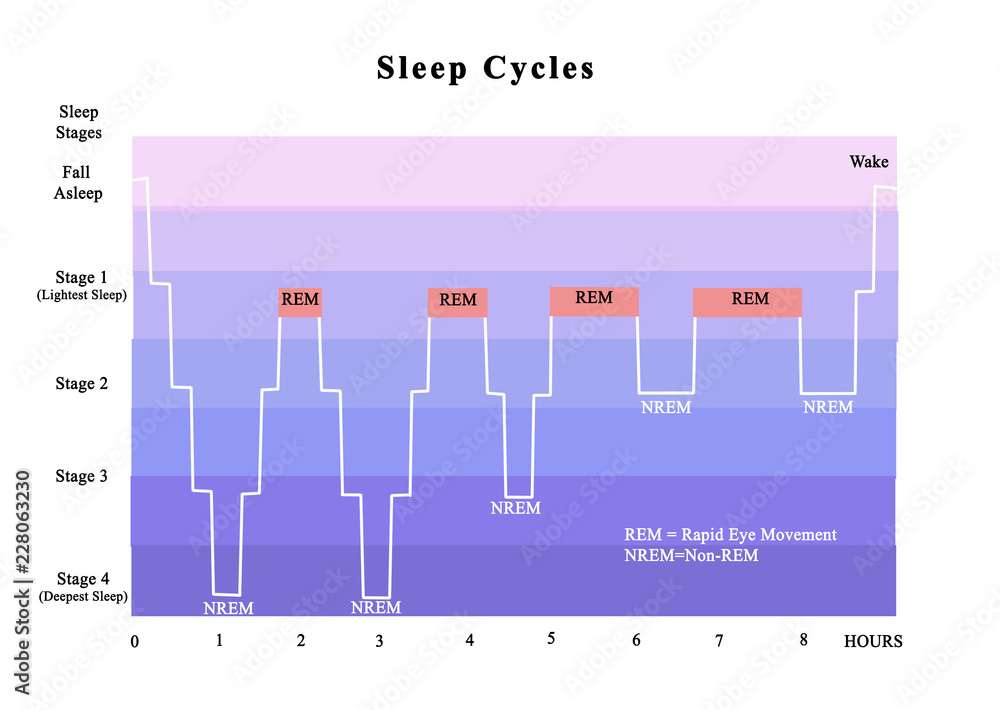
- Non-Rapid Eye Movement (NREM) Sleep: This comprises three stages, progressing from light sleep to deep sleep.
- Rapid Eye Movement (REM) Sleep: This is when most dreaming occurs and is crucial for cognitive functions like learning and memory consolidation.
According to the National Sleep Foundation, adults should aim for 7-9 hours of sleep per night to cycle through these stages sufficiently 1. But it’s not just about quantity – the quality and timing of sleep matter too.
The Circadian Rhythm: Your Body’s Internal Clock
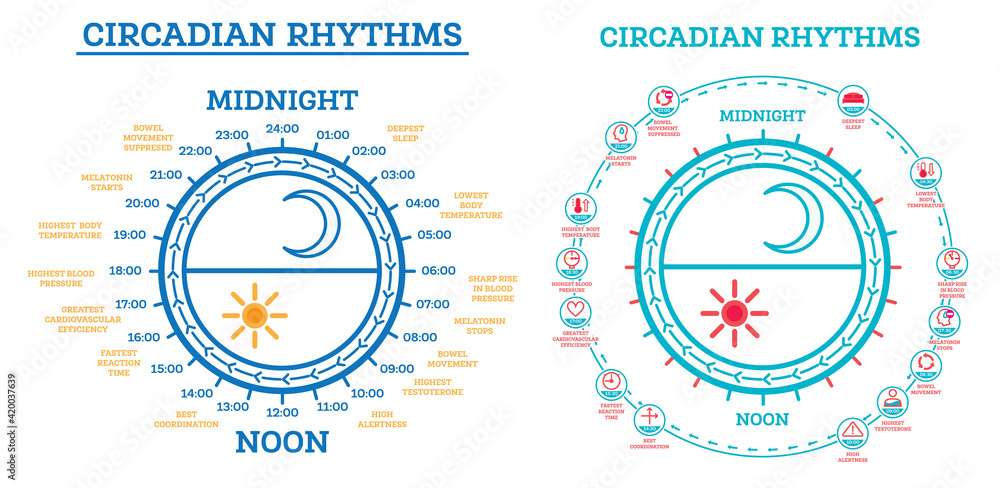
Our sleep-wake cycle is governed by an internal biological clock known as the circadian rhythm. This rhythm is influenced by external cues, primarily light exposure, and regulates the release of hormones like melatonin that control our sleep patterns.
Disruptions to this rhythm – think jet lag or shift work – can have significant impacts on both our sleep quality and mental health. A study published in the Lancet Psychiatry found that disruptions to circadian rhythms were associated with an increased risk of mood disorders, including depression and bipolar disorder 2.
The Mental Health-Sleep Connection: A Two-Way Street
Now that we’ve laid the groundwork, let’s explore the intricate relationship between sleep and mental health. It’s crucial to understand that this is a bidirectional relationship – poor sleep can contribute to mental health issues, and mental health problems can disrupt sleep.

How Poor Sleep Impacts Mental Health
Chronic sleep deprivation and poor sleep quality can have far-reaching effects on our mental well-being:
- Mood Disorders: Lack of sleep is strongly linked to depression and anxiety. A large-scale study of over 20,000 young adults found that individuals with insomnia were 5 times more likely to develop depression compared to those without sleep issues 3.
- Cognitive Function: Sleep plays a crucial role in cognitive processes like attention, memory, and problem-solving. Chronic sleep deprivation can impair these functions, leading to difficulties in daily life and potentially exacerbating existing mental health issues.
- Emotional Regulation: Ever notice how you’re more irritable after a poor night’s sleep? That’s because sleep deprivation can affect our ability to regulate emotions. A study published in the Journal of Neuroscience found that sleep deprivation amplified activity in the amygdala – the brain’s emotional center – in response to negative stimuli 4.
- Stress Response: Lack of sleep can elevate levels of stress hormones like cortisol, making us more reactive to stressors and potentially increasing the risk of stress-related mental health issues.
How Mental Health Affects Sleep
On the flip side, many mental health conditions can significantly impact sleep:
- Depression: While insomnia is a common symptom of depression, some individuals with depression may experience hypersomnia (excessive sleeping). Either way, sleep disturbances are present in up to 90% of individuals with depression 5.
- Anxiety: Racing thoughts and worry can make it difficult to fall asleep or stay asleep. This can create a vicious cycle, as lack of sleep can then exacerbate anxiety symptoms.
- https://whispersofinsight.blog/more-information/terms-definitions/understanding-major-depressive-disorder-symptoms-causes-treatment/PTSD: Post-traumatic stress disorder often involves sleep disturbances, including nightmares and insomnia. These sleep issues can persist long after other symptoms have improved.
- Bipolar Disorder: Sleep disturbances are common in both manic and episodes of bipolar disorder. During manic phases, individuals may feel little need for sleep, while depressive episodes can involve either insomnia or hypersomnia.
Understanding this two-way street is crucial for both prevention and treatment of mental health issues. By addressing sleep problems, we may be able to mitigate the risk or severity of mental health conditions, and vice versa.
The Hidden Costs of Poor Sleep
The impact of poor sleep extends far beyond feeling groggy the next day. Chronic sleep deprivation can have serious consequences for both individual and public health:
Physical Health Risks
While our focus is on mental health, it’s worth noting that poor sleep is associated with a host of physical health problems, including:

- Increased risk of obesity and type 2 diabetes
- Higher rates of cardiovascular disease
- Weakened immune function
These physical health issues can, in turn, impact mental well-being, creating a complex interplay between sleep, physical health, and mental health.
Cognitive Decline
Emerging research suggests that chronic sleep deprivation may be linked to long-term cognitive decline and an increased risk of neurodegenerative diseases like Alzheimer’s. A study published in Nature Neuroscience found that sleep deprivation increased the accumulation of beta-amyloid – a protein associated with Alzheimer’s disease – in the brain 6.
Economic Impact
The costs of poor sleep extend beyond individual health. The RAND Corporation estimates that sleep deprivation costs the U.S. economy up to $411 billion annually due to lost productivity 7. This staggering figure underscores the societal importance of addressing sleep issues.
Strategies for Better Sleep and Mental Health
Now that we’ve explored the crucial connection between sleep and mental health, let’s dive into practical strategies for improving both:
Prioritize Sleep Hygiene
Sleep hygiene refers to the habits and practices that are conducive to sleeping well on a regular basis. Here are some key principles:
- Consistent Sleep Schedule: Try to go to bed and wake up at the same time every day, even on weekends. This helps regulate your body’s internal clock.
- Create a Relaxing Bedtime Routine: Engage in calming activities before bed, such as reading, gentle stretching, or meditation. Avoid stimulating activities or screens at least an hour before bedtime.
- Optimize Your Sleep Environment: Keep your bedroom dark, quiet, and cool. Invest in a comfortable mattress and pillows.
- Limit Exposure to Blue Light: The blue light emitted by screens can interfere with your body’s production of melatonin. Consider using blue light blocking glasses or apps in the evening.
- Watch Your Diet: Avoid large meals, caffeine, and alcohol close to bedtime. These can disrupt your sleep quality.

Address Mental Health Concerns
If you’re struggling with mental health issues that are affecting your sleep, don’t hesitate to seek professional help. A mental health professional can provide targeted interventions, which might include:
- Cognitive Behavioral Therapy for Insomnia (CBT-I): This specialized form of therapy has been shown to be highly effective for chronic insomnia, often outperforming sleep medications in the long term 8.
- Medication Management: In some cases, medications may be prescribed to address both mental health symptoms and sleep issues. Always consult with a healthcare provider about potential side effects and interactions.
- Mindfulness and Relaxation Techniques: Practices like mindfulness meditation, progressive muscle relaxation, and deep breathing exercises can help calm an overactive mind and promote better sleep.
Harness the Power of Exercise
Regular physical activity can improve both sleep quality and mental health. A study published in the journal Mental Health and Physical Activity found that people who engaged in 150 minutes of moderate to vigorous activity per week reported both better sleep quality and mental health 9.
However, timing matters – vigorous exercise too close to bedtime can be stimulating for some people. Aim to finish intense workouts at least a few hours before bed.
Manage Stress
Chronic stress can wreak havoc on both sleep and mental health. Consider incorporating stress-management techniques into your daily routine:
- Practice Mindfulness: Regular mindfulness meditation has been shown to improve sleep quality and reduce symptoms of anxiety and depression 10.
- Time Management: Poor time management can lead to stress and late nights. Use techniques like the Pomodoro method or time-blocking to improve productivity and reduce stress.
- Connect with Others: Social support can be a powerful buffer against stress. Make time for meaningful connections with friends and family.
Consider Light Therapy
Given the importance of the circadian rhythm in regulating sleep and mood, light therapy can be a helpful tool, especially for those dealing with seasonal affective disorder or circadian rhythm disorders.
Exposure to bright light in the morning can help regulate your sleep-wake cycle and boost mood. However, it’s important to use light therapy under the guidance of a healthcare provider, as improper use can potentially worsen some conditions.
The Future of Sleep and Mental Health Research
As our understanding of the sleep-mental health connection grows, exciting new avenues for research and treatment are emerging:

Chronotherapy
Chronotherapy involves manipulating sleep timing to improve mood disorders. For example, some studies have found that sleep deprivation can have rapid antidepressant effects in some individuals with depression, although these effects are typically short-lived 11. While this isn’t a practical long-term treatment, it highlights the powerful link between sleep and mood, and may lead to new therapeutic approaches.
Genetic Research
Advances in genetic research are shedding light on the hereditary aspects of both sleep traits and mental health disorders. A large-scale genetic study published in Nature Communications identified genetic variations associated with insomnia, providing new targets for potential treatments 12.
Personalized Sleep-Wake Profiles
Emerging research suggests that sleep needs and optimal sleep timing may vary significantly between individuals. Future approaches to sleep and mental health may involve creating personalized sleep-wake profiles based on genetic, environmental, and lifestyle factors.
Conclusion: Embracing the Power of Sleep

As we’ve journeyed through the intricate landscape of sleep and mental health, one thing becomes clear: quality sleep isn’t a luxury – it’s a necessity for mental well-being. The bidirectional relationship between sleep and mental health underscores the importance of addressing both in tandem.
By prioritizing sleep hygiene, seeking help for mental health concerns, managing stress, and staying informed about emerging research, we can harness the power of restorative sleep to support our mental health. Remember, small changes can make a big difference. Even improving your sleep by just 30 minutes a night could have significant benefits for your mental well-being.
As we move forward, let’s challenge the notion that sleep is expendable. Instead, let’s embrace sleep as a powerful tool for mental health, resilience, and overall well-being. After all, a good night’s sleep might just be the most underrated mental health intervention at our disposal.
So tonight, as you prepare for bed, remember: you’re not just resting – you’re actively supporting your mental health. Sweet dreams, and here’s to a well-rested, mentally healthy future!
Discover more from Whispers of Insight
Subscribe to get the latest posts sent to your email.




A wonderful post. Well published. I wish you good luck, happiness and success
Thank you for the comment.