
Let’s Talk
Cancel culture is everywhere. It’s like this automatic reaction: someone does or says something out of line, and boom—they’re instantly judged, shunned, or even cast out. This can happen so fast, especially with social media fanning the flames. But here’s the question that keeps bugging me: are we just creating this culture of fear where everyone’s too scared to make a mistake? Is this actually helping anyone?
Instead of cutting people off at the knees, what if we just… didn’t? What if, instead, we gave them a chance to learn, to really understand why their words or actions hurt others? I mean, imagine if instead of jumping straight to canceling someone, we took a beat and tried to help them see things from a different perspective. Maybe it’s not as satisfying as the quick fix of canceling, but it could make a lot more sense for building a better culture. Let’s talk about why an approach based on education might be more powerful than the fast-and-furious route of cancellation.
The Value of Education
Canceling someone might feel like justice at the moment, but think about what it really costs us. When we just cancel people, we’re not giving them any room to grow or change. And we’re definitely not creating an environment where people feel safe to learn from their mistakes. Is that a world anyone wants to live in?
Education opens the door to real, meaningful change. By focusing on understanding and growth, we give people the chance to actually evolve instead of just punishing them into silence. Imagine a situation where, instead of being publicly dragged for a mistake, someone is shown why their words were harmful and given the tools to make it right. Doesn’t that seem like it would leave a lasting impact?
When we push for education over cancellation, we’re not just giving one person a chance to grow; we’re signaling to everyone that it’s okay to learn, that it’s okay to get things wrong as long as you’re willing to understand and improve. This is the kind of culture that helps people show up honestly, without hiding in fear of one wrong move. It’s about making space for growth and understanding, not just for the person who made a mistake but for everyone around them too.
Cancel Culture and Freedom of Speech
Here’s another angle to think about: freedom of speech. People throw this term around all the time, but the truth is, it really matters if we want a society where people can speak up, ask questions, and (yes) make mistakes. But with cancel culture, it feels like that freedom is shrinking. People are walking on eggshells, afraid that one wrong word will get them instantly shut down.
Do we really want a world where people feel like they can’t speak freely? When we cancel someone, we’re cutting off any chance for them to learn and change, and that doesn’t help anyone in the long run. If we let people share their thoughts—however messy or imperfect they might be—then we’re allowing room for conversation, for disagreement, and, most importantly, for growth. It’s not about letting harmful behavior slide; it’s about handling these situations in a way that actually promotes change, not just fear.
An Alternative Approach
So what would it look like if we chose education over cancellation? Imagine a world where, instead of calling people out and casting them aside, we offered them a chance to understand why they messed up. What if our first reaction was to open up a conversation instead of slamming the door shut?
This doesn’t mean no consequences. It means building a system where people can actually make amends. Maybe they apologize, maybe they take action to repair the harm they caused. The point is, they get a chance to learn, to make things right, and to come out better on the other side. Isn’t that worth aiming for?
By focusing on education, we’re creating a community built on understanding, not just judgment. People are way more likely to change when they understand why it matters, and by giving them that opportunity, we’re setting up a system where everyone can grow. That’s how we build trust; that’s how we create a community that doesn’t just tear people down but helps them get back up.
Moving Forward Together
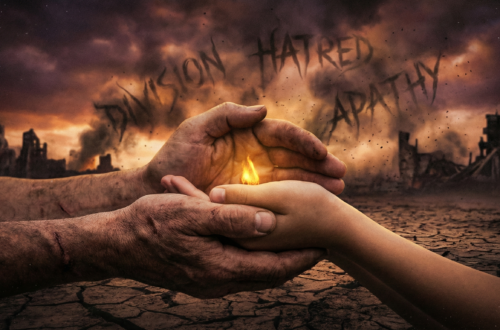
Choosing education over cancelation is about choosing connection over division. Everyone messes up, and while we should all be accountable for our actions, we should also have the chance to grow and change. Cancel culture has its place, sure, but it doesn’t need to be our only option. Real progress comes from giving people the chance to understand, to apologize, and to do better.
If we create a culture that values learning over punishment, we’re building a stronger, more understanding society. It’s about seeing mistakes as an opportunity for growth, not as a dead end. So let’s push for a world where we don’t just cut people off but help them see a better way forward—a world where empathy and understanding guide us all.
Discover more from Whispers of Insight
Subscribe to get the latest posts sent to your email.




For me, the question is, “Does this other wish to learn? Do I?”
I also think if a company makes choices that do not align with my value system, why would I give them my patronage?
I consider: how do they treat their employees, what is their footprint, how to they give back, how much does their CEO make in comparison to their employees, etc.
Generally though, I do believe gentle education is best. Forgiveness is an internal choice: no other persons necessary. And, healthy boundaries are nice also.
In some ways, I’m tired of the attention to this. I’m also tired of those who think free speech entitles them to false speech, defamatory speech, hate speech, inciting speech. When we come together in society, society requires certain things of us.
Your blog is a breath of fresh air in the often mundane world of online content. Your unique perspective and engaging writing style never fail to leave a lasting impression. Thank you for sharing your insights with us.
Cancel culture is definitely everywhere. Thanks for this alternative approach!
Thank you for reading and commenting. I agree, it’s pervasive. Hopefully, it works itself out over time.