
In today’s fast-paced world, anxiety has become an increasingly common challenge for many people. The constant demands of work, relationships, and daily responsibilities can leave us feeling overwhelmed and stressed. Fortunately, meditation offers a powerful tool to manage anxiety and find inner calm. This guide will explore how just 10 minutes of meditation can make a significant difference in your life, providing you with practical techniques and insights to begin your journey towards better mental health.
Understanding Anxiety
Before we dive into meditation techniques, it’s essential to understand what anxiety is and how it affects us. Anxiety is more than just feeling stressed or worried. It’s a persistent state of heightened alertness that can have profound effects on both our mental and physical well-being.

What is Anxiety?
Anxiety is a natural response to stress or perceived threats. It’s our body’s way of preparing us to face challenging situations. However, when anxiety becomes chronic or disproportionate to the actual threat, it can interfere with daily life and overall happiness.
Common Symptoms and Triggers
Anxiety can manifest in various ways, including:
- Persistent worry or fear
- Restlessness or feeling on edge
- Difficulty concentrating
- Sleep disturbances
- Physical symptoms like rapid heartbeat, sweating, or trembling
Triggers for anxiety can be diverse and personal, ranging from work-related stress and financial concerns to health issues and social situations.
The Impact of Anxiety on Mental and Physical Health
Chronic anxiety can have far-reaching effects on both mental and physical health. It can lead to:
- Depression
- Substance abuse
- Weakened immune system
- Digestive problems
- Cardiovascular issues
Given these potential consequences, finding effective ways to manage anxiety is crucial for overall well-being.
Benefits of Meditation for Anxiety
Meditation has gained significant attention in recent years as a powerful tool for managing anxiety. But how exactly does it help, and what does science say about its effectiveness?
How Meditation Helps in Reducing Anxiety
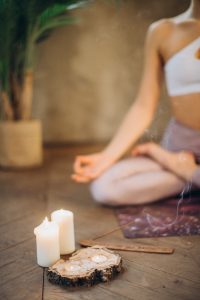
Meditation works on multiple levels to alleviate anxiety:
- Mindfulness: By focusing on the present moment, meditation helps break the cycle of worrying about the future or ruminating on the past.
- Relaxation Response: Regular meditation practice activates the body’s relaxation response, counteracting the stress response associated with anxiety.
- Emotional Regulation: Meditation enhances our ability to observe thoughts and emotions without judgment, leading to better emotional control.
- Neuroplasticity: Over time, meditation can actually change the structure and function of the brain, particularly in areas associated with anxiety and stress regulation.
Scientific Studies Supporting Meditation for Anxiety Relief
Numerous scientific studies have demonstrated the effectiveness of meditation in reducing anxiety:
- A meta-analysis published in JAMA Internal Medicine found that mindfulness meditation programs showed moderate evidence of improving anxiety across various patient populations.
- Research published in the Journal of Clinical Psychiatry showed that mindfulness-based stress reduction (MBSR) was as effective as antidepressant medication in treating anxiety disorders.
- A study in the Journal of Alternative and Complementary Medicine found that even brief meditation sessions (10 minutes per day) can significantly reduce anxiety symptoms.
These studies provide strong evidence for the anxiety-reducing benefits of meditation, even with short daily practices.
10 Minute Meditation Techniques
Now that we understand the benefits of meditation for anxiety, let’s explore how you can incorporate a 10-minute meditation practice into your daily routine.
The Importance of Short, Consistent Meditation Sessions
While longer meditation sessions can be beneficial, consistency is key when it comes to reaping the benefits of meditation. Short, daily sessions are often more effective than longer, sporadic practices. A 10-minute meditation is long enough to experience benefits but short enough to fit into even the busiest schedules.
Detailed Steps for a Basic 10-minute Meditation Session

Here’s a simple 10-minute meditation technique you can try:
- Find a comfortable position: Sit in a chair with your feet flat on the ground, or cross-legged on a cushion. Keep your back straight but not rigid.
- Set a timer: Use a gentle alarm to time your session for 10 minutes.
- Close your eyes: Gently close your eyes to minimize visual distractions.
- Focus on your breath: Pay attention to the sensation of your breath as it enters and leaves your nostrils or the rise and fall of your chest.
- Observe your thoughts: As thoughts arise, acknowledge them without judgment and gently return your focus to your breath.
- Be patient with yourself: It’s normal for your mind to wander. Each time you notice this happening, simply bring your attention back to your breath.
- Gradually end your session: When your timer goes off, take a few deep breaths and slowly open your eyes.
Remember, the goal isn’t to empty your mind completely but to practice returning to your point of focus (in this case, your breath) whenever you notice your mind wandering.
Guided Meditation for Anxiety
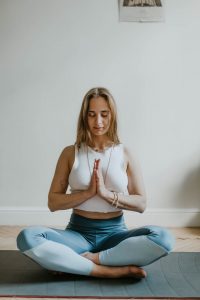
For many beginners, guided meditations can be an excellent introduction to meditation practice.
Introduction to Guided Meditation
Guided meditation involves listening to a recorded voice that leads you through a meditation session. The guide typically provides instructions on breathing, visualization, or body awareness, helping to keep your mind focused and engaged.
How Guided Meditation Can Help Beginners
Guided meditations are particularly beneficial for beginners because they:
- Provide structure to the meditation practice
- Help maintain focus and minimize mind-wandering
- Introduce various meditation techniques
- Offer gentle reminders to return to the present moment
Resources for Guided Meditations
There are many excellent resources available for guided meditations:
- Headspace: Offers a variety of guided meditations, including specific sessions for anxiety.
- Calm: Features a wide range of guided meditations and sleep stories.
- Insight Timer: A free app with thousands of guided meditations from various teachers.
- UCLA Mindful Awareness Research Center: Provides free guided meditations in multiple languages.
Breathing Exercises for Anxiety
Breathing exercises are a fundamental aspect of many meditation practices and can be particularly effective for managing anxiety.
Importance of Breathing Exercises
Proper breathing plays a crucial role in activating the body’s relaxation response. When we’re anxious, our breathing often becomes shallow and rapid. By consciously controlling our breath, we can signal to our body that it’s safe to relax, helping to alleviate anxiety symptoms.
Step-by-Step Guide to a 10-minute Breathing Meditation

Here’s a simple 10-minute breathing meditation you can practice:
- Find a comfortable position: Sit or lie down in a comfortable position.
- Set your timer: Set a gentle alarm for 10 minutes.
- Close your eyes: Gently close your eyes to minimize distractions.
- Take a deep breath: Inhale slowly through your nose for a count of 4.
- Hold your breath: Hold your breath for a count of 4.
- Exhale slowly: Exhale through your mouth for a count of 6.
- Repeat: Continue this breathing pattern for the duration of your session.
- Return to normal breathing: When your timer goes off, gradually return to your normal breathing pattern.
Tips for Incorporating Breathing Exercises into Daily Routine
To make breathing exercises a regular part of your day:
- Practice at the same time each day to build a habit
- Use transitions (like before meals or after work) as cues to do a quick breathing exercise
- Try the 4-7-8 breath (inhale for 4, hold for 7, exhale for 8) when you feel anxious during the day
- Use a breathing app or smart watch feature to remind you to take breathing breaks
Tips for Successful Meditation
To get the most out of your meditation practice, consider these tips:
Creating a Conducive Environment for Meditation
- Choose a quiet space where you won’t be disturbed
- Use comfortable seating (a chair, cushion, or meditation bench)
- Consider using soft lighting or candles to create a calming atmosphere
- Keep the room temperature comfortable
Setting Realistic Goals and Expectations
- Start with short sessions (5-10 minutes) and gradually increase as you feel comfortable
- Don’t expect instant results; meditation benefits often accumulate over time
- Remember that there’s no “perfect” meditation; every session is valuable practice
Overcoming Common Challenges and Maintaining Consistency
- If you miss a day, don’t be discouraged; just resume your practice the next day
- Experiment with different times of day to find what works best for you
- Use meditation apps or join a meditation group for accountability and support
- Remember that even a “bad” meditation session (where your mind feels particularly busy) is still beneficial

Conclusion
Incorporating a 10-minute meditation practice into your daily routine can be a powerful tool for managing anxiety. By dedicating just a small portion of your day to mindfulness and breathing exercises, you can cultivate a sense of calm and resilience that extends far beyond your meditation cushion.
Remember, meditation is a skill that improves with practice. Be patient with yourself as you begin this journey. Start with small, manageable sessions, and gradually build up your practice over time. The key is consistency rather than perfection.
We encourage you to try a 10-minute meditation today and see how it affects your anxiety levels. Whether you choose a simple breath-focused meditation or a guided session, taking this small step can lead to significant improvements in your overall well-being.
Share your experiences with meditation in the comments below or reach out to a mental health professional if you need additional support in managing anxiety. Remember, you’re not alone in this journey, and every small step counts towards better mental health.
Disclaimer: While meditation can be a valuable tool for managing anxiety, it’s not a substitute for professional medical advice, diagnosis, or treatment. If you’re experiencing severe anxiety, please consult with a qualified healthcare provider.
Discover more from Whispers of Insight
Subscribe to get the latest posts sent to your email.



I appreciate my practice.
Good piece, Justin.